
Excellent Facilities.
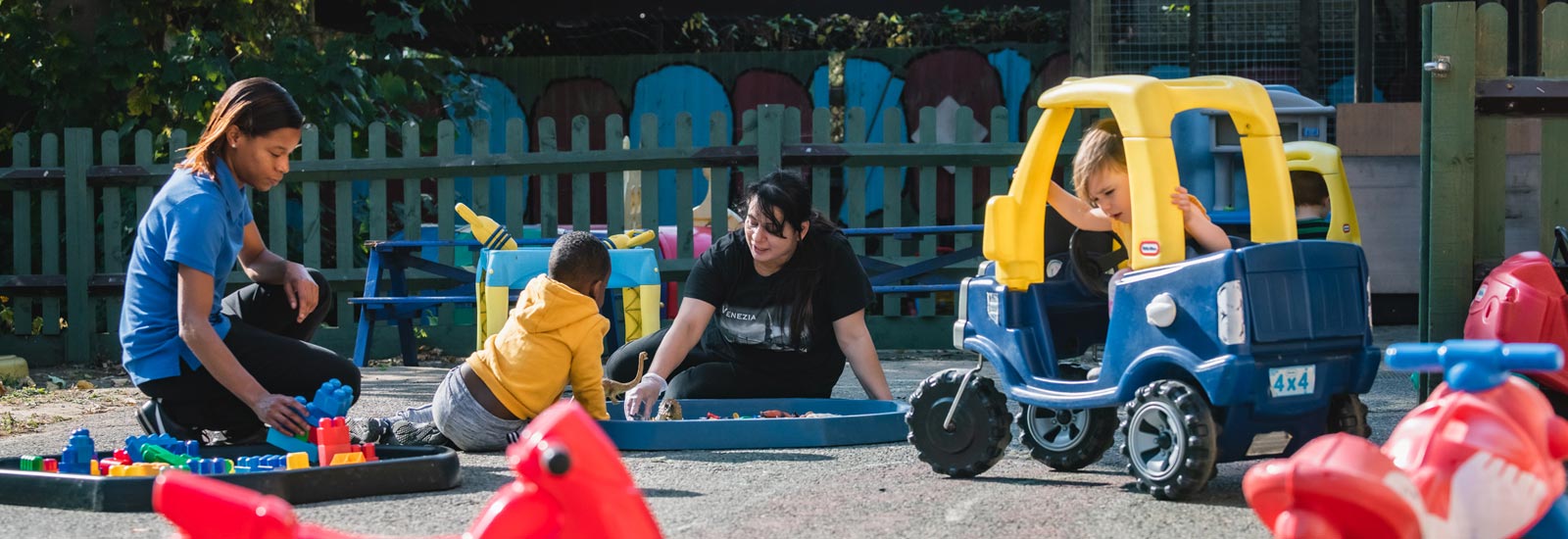
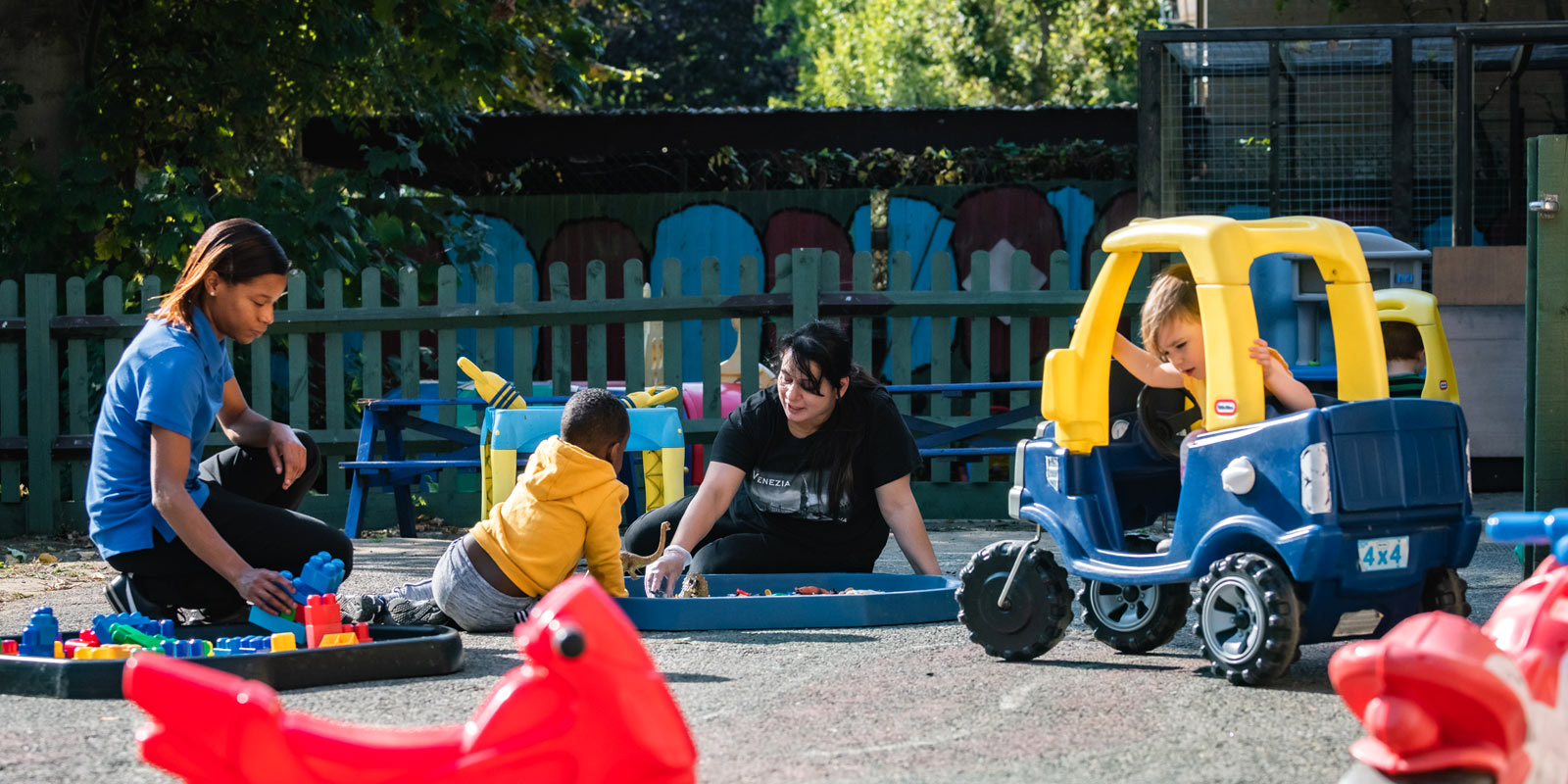
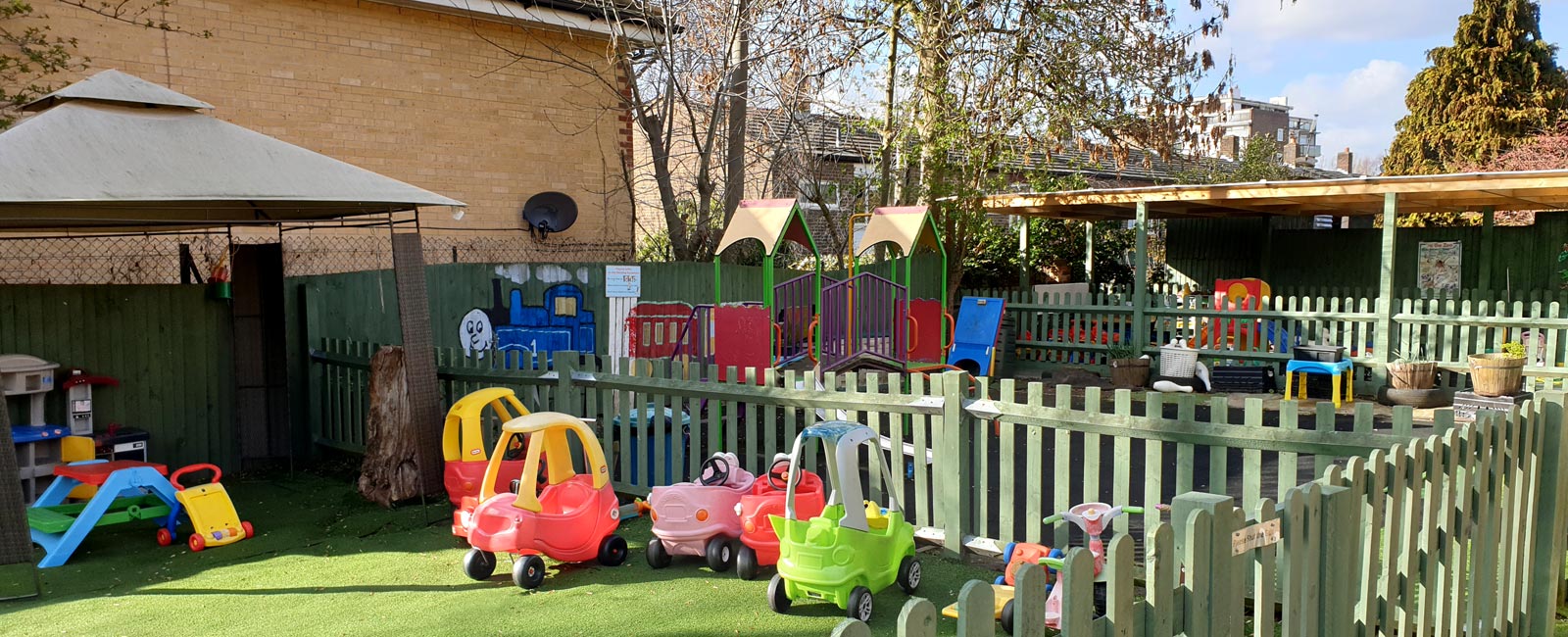
Little Cedars Day Nursery has truly excellent facilities. This Streatham setting has light, spacious and airy rooms inside and a very well-equipped outside play area. Facilities include high quality toys, multi-sensory areas, carefully chosen reading materials and fun, educational equipment throughout. Together, these give babies, toddlers, and pre-school children the very best playing and learning opportunities during these, their most formative years.
Our bespoke curriculum is firmly rooted in the Early Years Foundation Stage (EYFS 2025) and enriched by the educational philosophies of Montessori, Piaget, and Bruner. Together, these create a curriculum that is structured yet flexible, enabling guided discovery, purposeful play, and individual growth. We believe every child is curious, capable, and full of potential. Our intent is to nurture this natural curiosity through meaningful, hands-on experiences that connect learning to real life and promote lifelong learning habits. Our nursery rooms are constructed to fulfil our intent.

Caterpillars.
(3 months – 16 months)
At our nursery, we have a dedicated area for babies where they can explore and learn through play. The thoughtfully designed baby room is well-equipped, providing a peaceful and welcoming environment that helps babies settle in comfortably. The room is both stimulating and tranquil, featuring multi-sensory equipment, a play area exclusively for babies, and a wide variety of high-quality toys for them to interact with.
We maintain a very high staff-to-baby ratio, with at least one staff member for every three babies. This ensures that close relationships can be formed, allowing babies to receive the attention and care essential at this young age, while maximising their learning opportunities. Each child at Little Cedars is assigned a ‘key worker’ who closely monitors their learning and development. This includes maintaining a progress folder that provides a continuous record of each child’s growth, which parents can access at any time.
Beetles.
(16 months – 24 months)
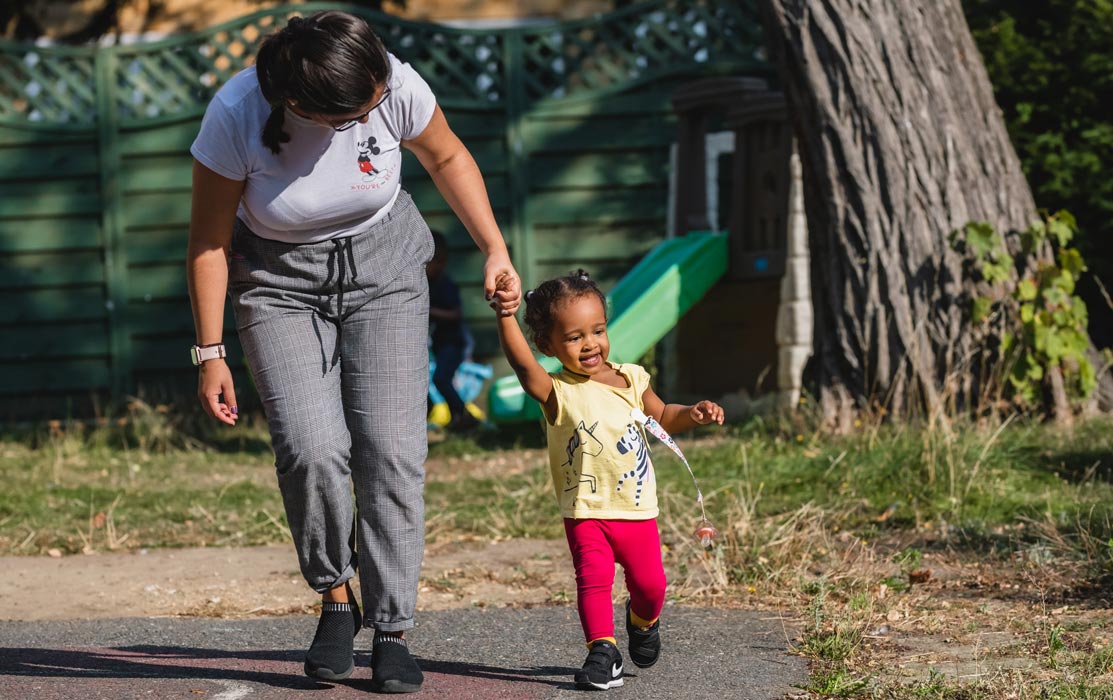
Toddlers between 16 and 24 months of age have a specially dedicated room designed for their learning and development. In this space, they have ample opportunities to explore and grow using a wide range of age-appropriate, high-quality toys, educational tools, and resources. A key focus is on developing their gross and fine motor skills, including hand-eye coordination, movement, manual dexterity, and balance.
Additionally, toddlers are introduced to activities that involve responding to music, engaging in sensory experiences, and interacting socially with other children. These activities help enhance early communication skills, such as listening, understanding, and speaking. During this important developmental phase at the nursery, children often learn and expand their vocabulary, adding new words to their language skills.
Bumblebees.
(24 months – 30 months)
Children aged 2 to 2½ years spend their time in our Bumblebees room. This short stay allows our growing little ones to engage in activities that meet their individual developmental needs. We capture significant learning moments and emerging interests, blending child-led exploration with intentional adult-guided focus.
Learning is facilitated through sustained shared thinking, vocabulary modelling, and play.
At this stage, we focus on working alongside parents to support children’s growing independence, resilience, and self-care, including potty training.
When children reach the age of two, they undergo a Progress Check, which is a requirement of the Early Years Foundation Stage (EYFS) framework for early years education and care. This important written assessment reviews each child’s developmental and educational progress thus far, and parents are invited to discuss it with their child’s key worker.

Ladybugs.
(30 months – 40 months)
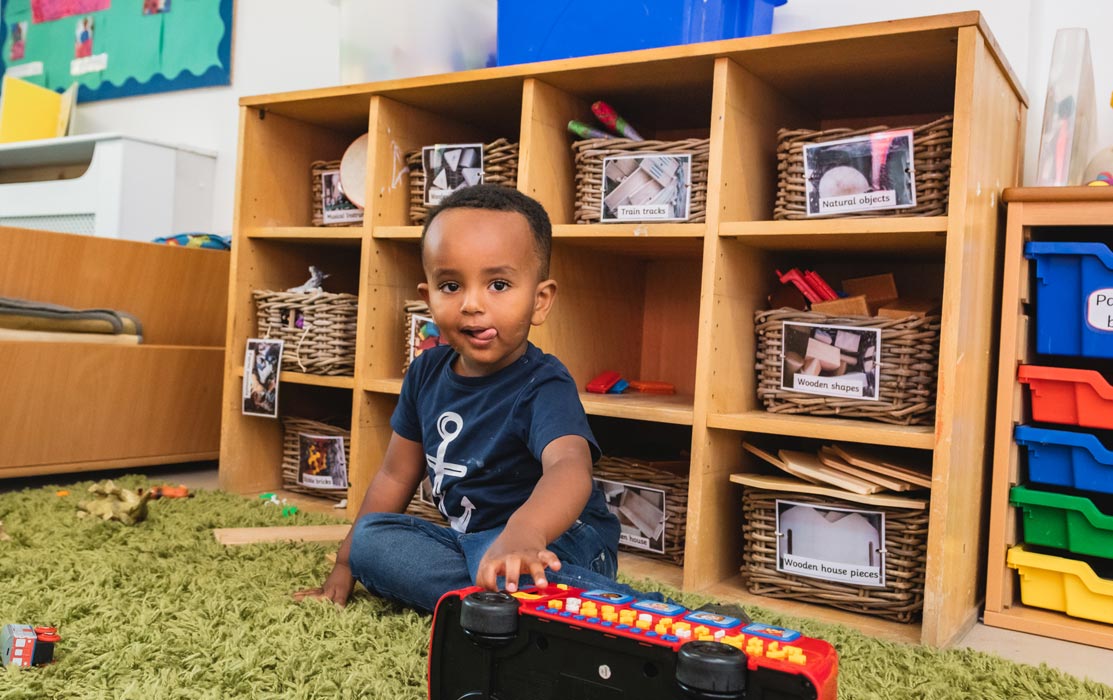
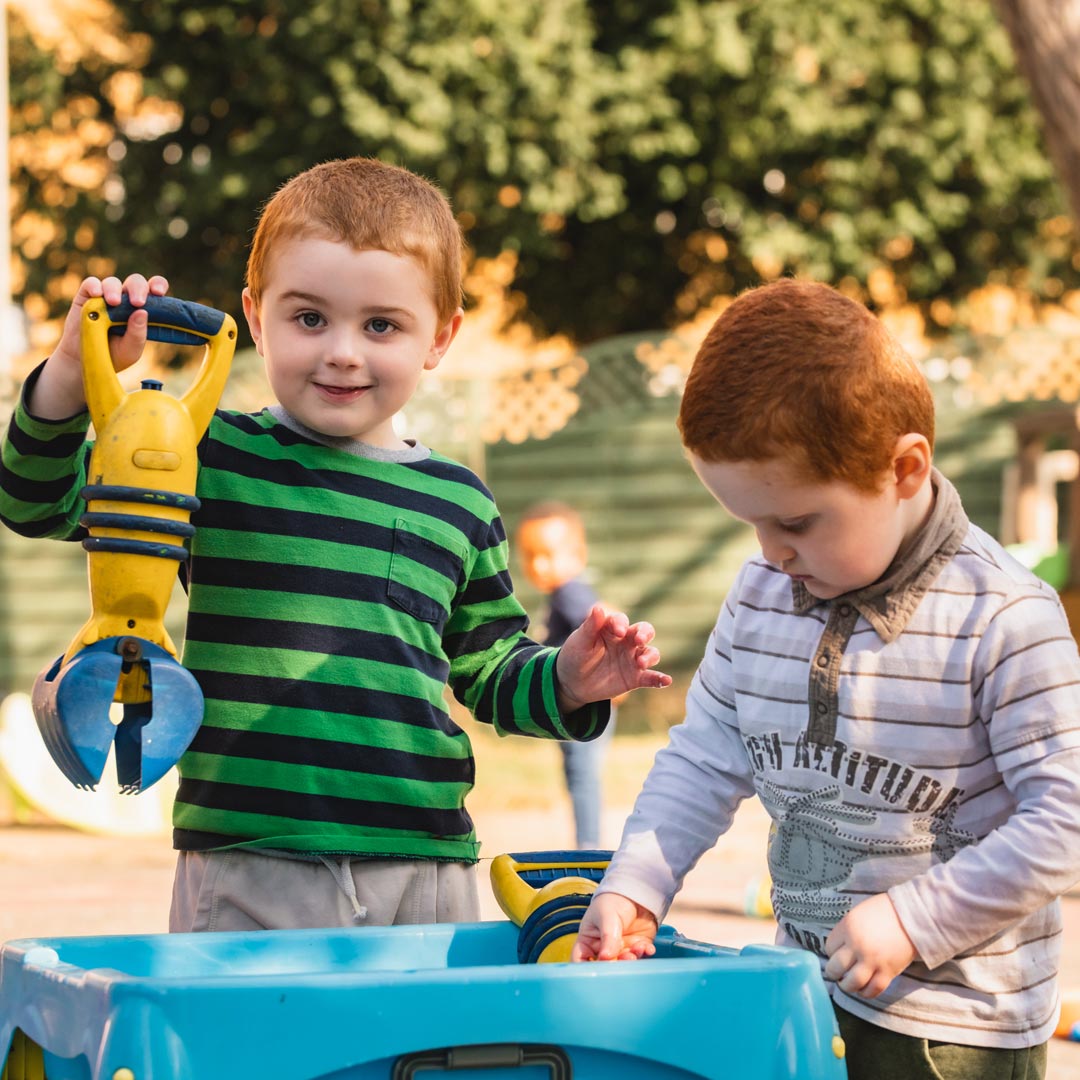
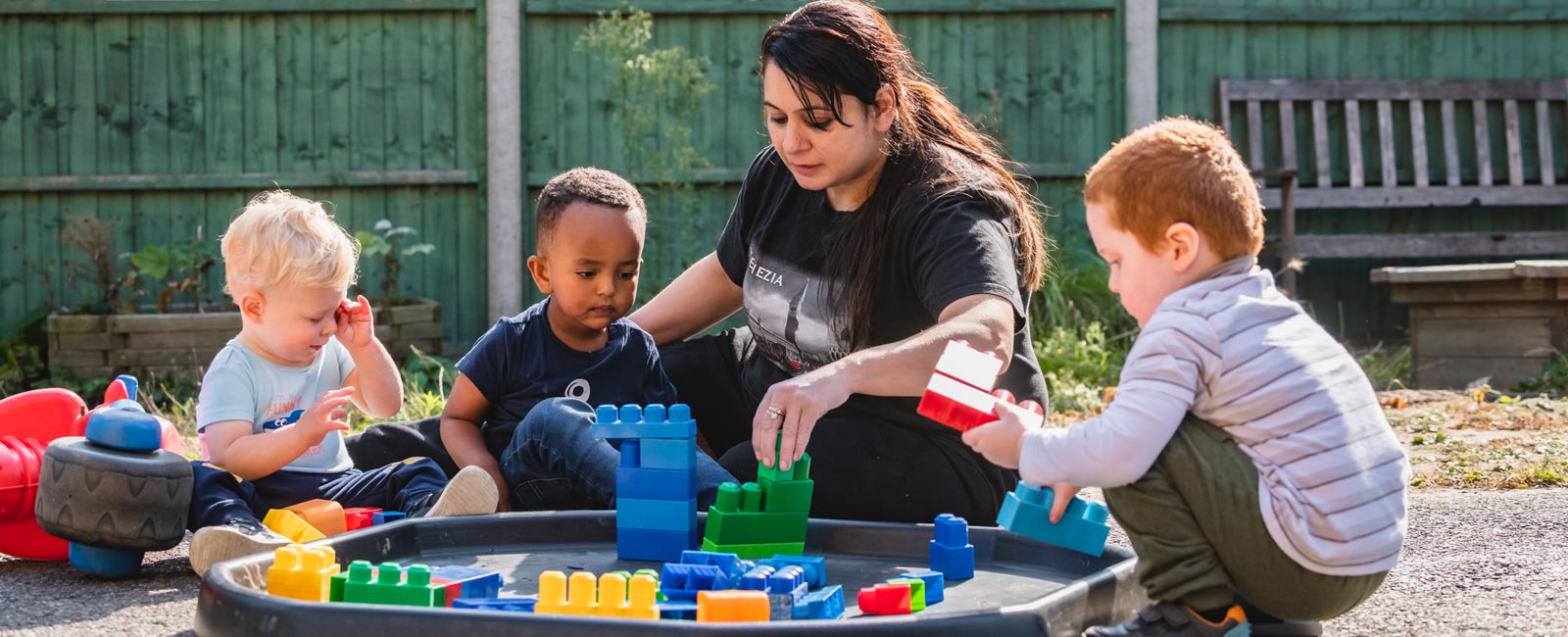
This room includes various areas, ranging from indoor to outdoor spaces. These areas are diverse and feature designated zones for mark-making, messy and creative play, construction, and quiet reading. Additionally, there is a sensory area for exploration and a very popular role-play zone. Children can move freely between the indoor and outdoor spaces, which are also well-equipped with a wide variety of playing and learning equipment.
The nature of each zone is regularly adapted to keep children excited and engaged with the activities, equipment, and resources available. Specific play and learning activities are guided by the nursery key workers, who take into account each child’s individual interests and needs.
Butterflies.
(40 months – school)
Children transition to the Butterflies room at just over three years old, where they prepare for their move to school at age five. This preparation is guided by the Early Years Foundation Stage (EYFS) framework for education and care, which helps nursery staff support each child’s journey toward achieving their personal best in education, social development, and skills.
Our environment acts as the third teacher and is intentionally organised to promote several key aspects of development:
Autonomy – we provide open access to labelled, purposeful resources that empower children to make choices in their learning.
Exploration – the use of natural, sensory, and open-ended materials stimulates curiosity and encourages children to explore their surroundings.
Inclusion – our space reflects diverse families, cultures, and abilities, ensuring that every child sees themselves represented.
Challenge – we offer progressive opportunities that encourage perseverance and problem-solving, promoting resilience in learning.
Cultural Capital – through local visits, celebrations, storytelling, and community engagement, children expand their awareness of the wider world, preparing them for life in modern Britain.
While there is a strong emphasis on literacy and numeracy, the EYFS curriculum encompasses a broader range of learning and development areas, including arts and crafts, music, dance, IT, communication, comprehension, and physical development (motor skills and fitness), as well as role-play activities.
By the time they finish nursery, children will have significantly improved their skills and abilities, developed strong social skills, and gained greater self-esteem and independence. This phase lays a solid foundation for every child, helping them thrive when they start school.
Butterflies.
(40 months – school)
Children transition to the Butterflies room at just over three years old, where they prepare for their move to school at age five. This preparation is guided by the Early Years Foundation Stage (EYFS) framework for education and care, which helps nursery staff support each child’s journey toward achieving their personal best in education, social development, and skills.
Our environment acts as the third teacher and is intentionally organised to promote several key aspects of development:
Autonomy – we provide open access to labelled, purposeful resources that empower children to make choices in their learning.
Exploration – the use of natural, sensory, and open-ended materials stimulates curiosity and encourages children to explore their surroundings.
Inclusion – our space reflects diverse families, cultures, and abilities, ensuring that every child sees themselves represented.
Challenge – we offer progressive opportunities that encourage perseverance and problem-solving, promoting resilience in learning.
Cultural Capital – through local visits, celebrations, storytelling, and community engagement, children expand their awareness of the wider world, preparing them for life in modern Britain.
While there is a strong emphasis on literacy and numeracy, the EYFS curriculum encompasses a broader range of learning and development areas, including arts and crafts, music, dance, IT, communication, comprehension, and physical development (motor skills and fitness), as well as role-play activities.
By the time they finish nursery, children will have significantly improved their skills and abilities, developed strong social skills, and gained greater self-esteem and independence. This phase lays a solid foundation for every child, helping them thrive when they start school.


Welcome to Little Cedars Day Nursery in Streatham.
Welcome to Little Cedars, an outstanding nursery in Streatham, London SW16. This excellent setting is ideal for those who require high quality childcare in and around Streatham, Streatham Hill, Streatham Common, Streatham Park, Furzedown, Upper Tooting, Tooting Bec, Tooting Common & Balham.
Little Cedars offers weekday childcare and early years education for babies (6 months +) and pre-school aged children. It is a safe, stimulating and secure environment where children absolutely flourish. Utilising the Early Years Foundation Stage (EYFS) curriculum, they learn through play at their own unique pace, in a fun and engaging way. This ultimately prepares them for school, in the best possible way, by the time they reach the age of five.
The nursery.
Little Cedars nursery is very much a home-from-home for young children. Babies are welcomed into their own, very tranquil area with a high staff-to-baby ratio. The attention and care this affords helps them to settle in well and to feel relaxed and at home very quickly. In a similar way, the nursery has separate areas and distinct arrangements in place for little ones aged between 1 and 2, toddlers aged 2 to 3 and preschoolers aged between 3 and 5. The nursery even has its own animal enclosure and vegetable patch, which are both extremely popular with the children.
Staff are always on hand to ensure that youngsters are given the very best start in life, with all the support and encouragement they need to become self-confident, independent, knowledgeable and able individuals. Indeed, the learning support and care is tailored to the skills, abilities and interests of each individual child. In tandem with this, a progress journal is maintained by a ‘Key Worker’ who is assigned to every child. This arrangement allows personalised goals to be set for each child and ultimately for each child to achieve their own personal bests in every area of their learning and development.
Why choose Little Cedars nursery?
Excellent facilities
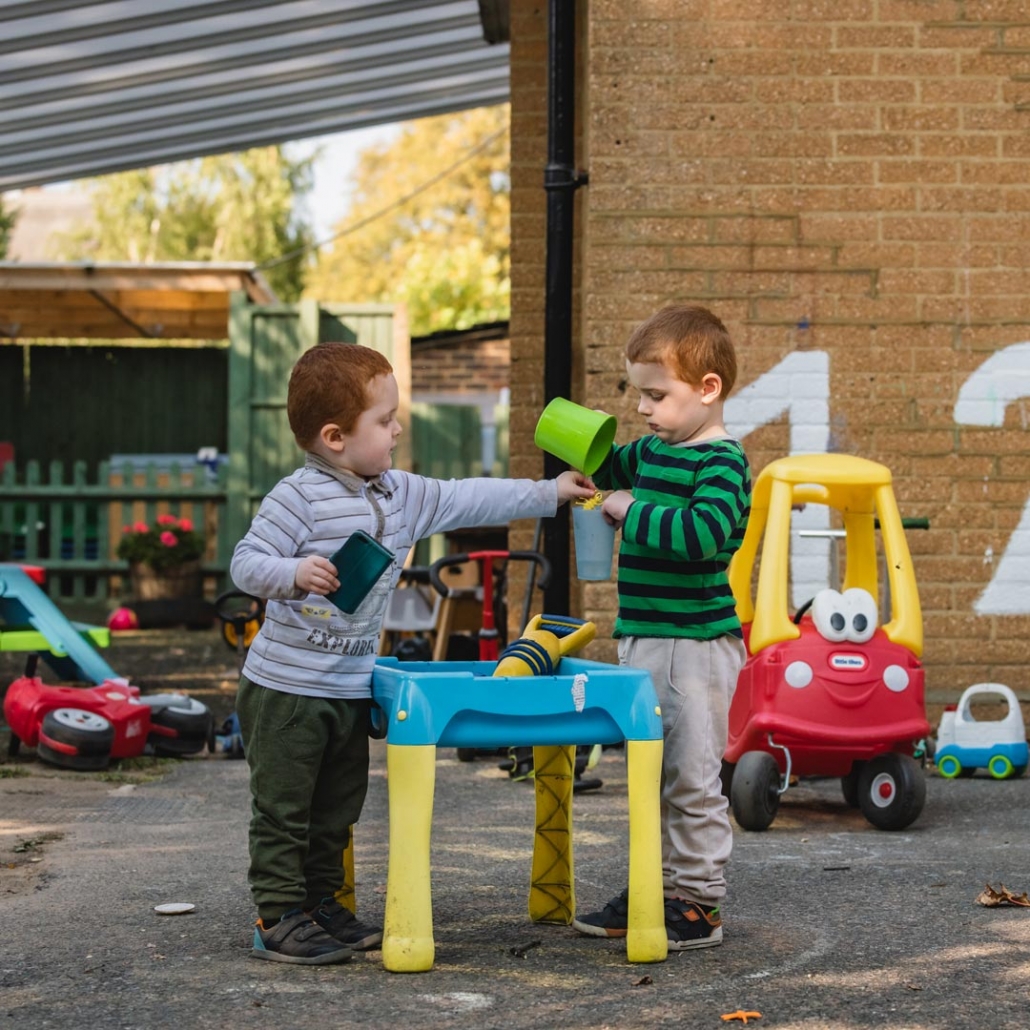
We have wonderful facilities at Little Cedars Day Nursery. The setting is incredibly well resourced, with excellent equipment indoors and outdoors and areas tailored for each age group.
Learn more here …
Excellent staff
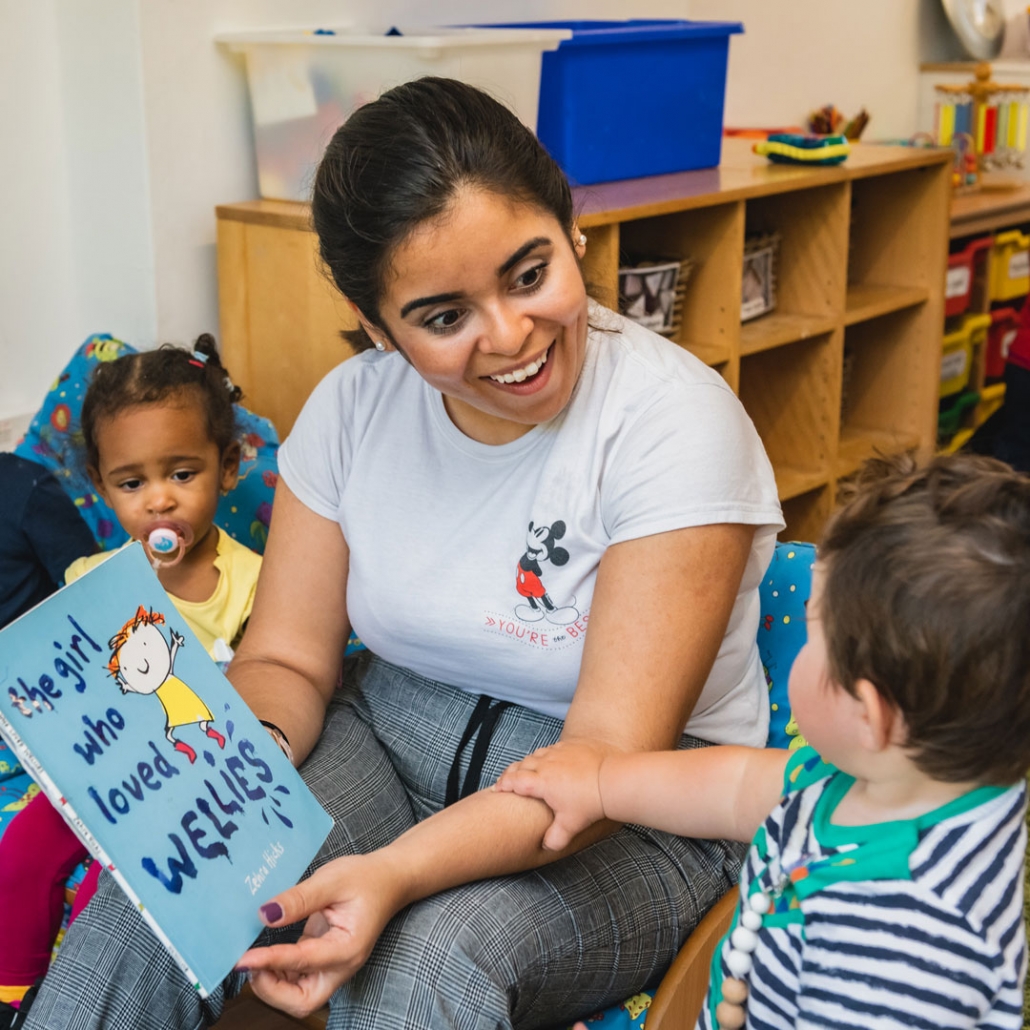
Our high quality staff are hand-picked for the nursery. They are a warm and caring team and are suitably qualified in early years childcare as well as being trained in paediatric first aid.
Learn more about our staff here.

Affordable fees
Our nursery fees are extremely competitive, starting at just £38, and include all food & extra-curricular activities. Children can attend for half days or full days and there is an 8% discount for full-timers.
Learn more …